

A Simple Way to Decide Your Wedding Photography Style
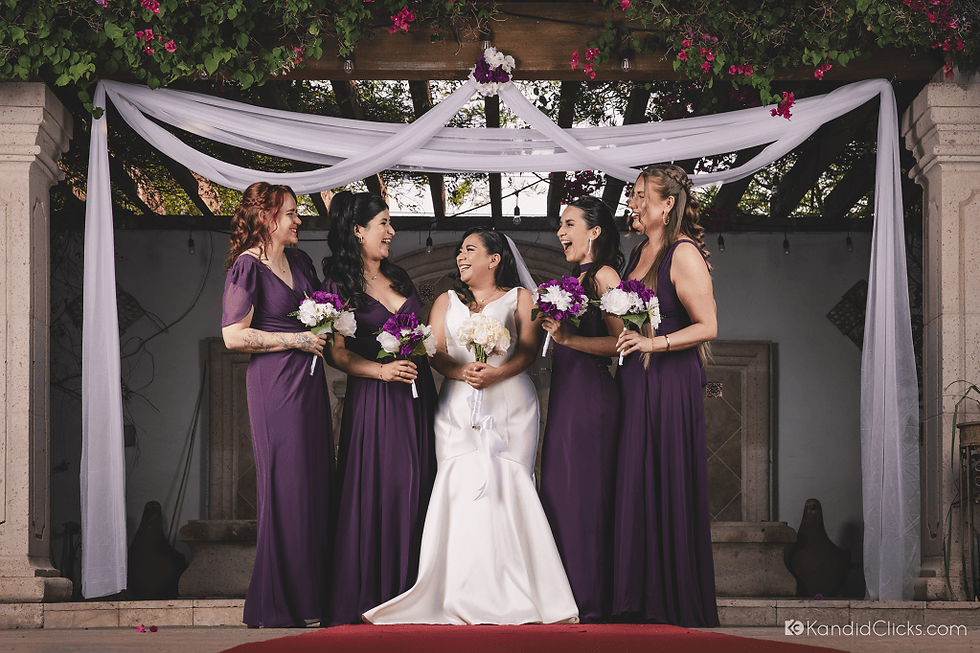
Scrolling through wedding inspiration accounts for even a few minutes makes it obvious there is no single way to photograph a wedding, which is exactly why understanding different wedding photography styles available before you start interviewing photographers saves so much time and confusion. Terms like editorial, documentary, fine art, and traditional get thrown around constantly, often without clear definitions, leaving couples to guess at what these words actually mean for their own wedding day.
Rather than trying to memorize industry jargon, it helps to think about wedding photography styles along a few practical dimensions: how posed versus candid the images feel, how much creative direction the photographer provides, and how the final images get edited and color graded. Working through these dimensions makes it much easier to identify which style actually matches what you picture for your own wedding gallery, rather than getting caught up in marketing language that means something slightly different to every photographer who uses it.
Documentary and Photojournalistic Style
Documentary wedding photography, sometimes called photojournalistic, prioritizes capturing genuine, unposed moments as they naturally unfold throughout the day. A photographer working in this style spends most of their time observing and anticipating rather than directing, stepping in only minimally to arrange formal family portraits or a handful of specifically requested shots. The resulting gallery tends to feel like a true, chronological record of the day, favoring authentic emotion and spontaneous interaction over polished, composed imagery.
This style suits couples who feel uncomfortable with heavy posing or who want their gallery to feel like an honest reflection of how their wedding day actually happened, rather than a curated, idealized version of events. The tradeoff is that documentary photography depends heavily on a photographer's ability to anticipate meaningful moments as they happen, which places a premium on experience and instinct over technical posing skill.
Editorial and Fine Art Style
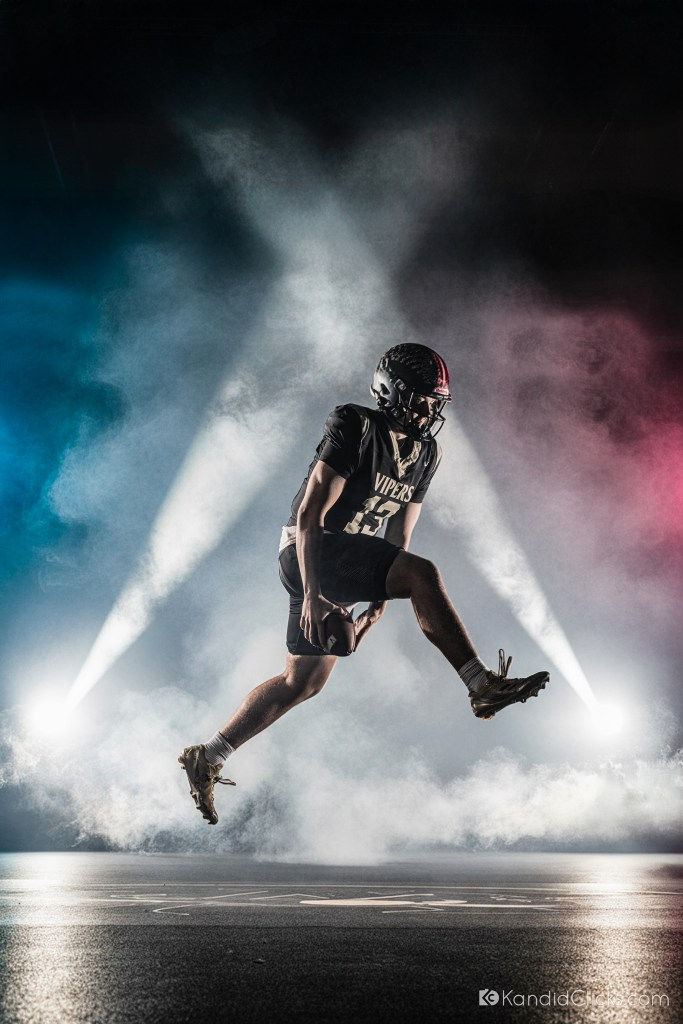
Editorial wedding photography borrows heavily from fashion and magazine photography, emphasizing bold composition, dramatic lighting, and a more intentional, styled approach to posing. Photographers working in this style often direct couples through specific poses designed to create striking, magazine-worthy images, paying close attention to composition, background elements, and lighting conditions in a way that feels considerably more curated than documentary work.
Fine art wedding photography shares some overlap with editorial style but typically leans further into artistic composition, often incorporating dramatic natural light, intentional negative space, and a more painterly overall aesthetic. Both styles tend to appeal to couples who want their wedding photos to feel like a polished, intentional art piece rather than a purely candid record of the day, and both generally require more time during the day dedicated specifically to posed portrait sessions compared to a documentary approach.
Traditional and Classic Style
Traditional wedding photography focuses on formal, posed portraits: family groupings, the classic couple portrait, and structured moments like the ceremony processional captured from a straightforward, flattering angle. This style has fallen somewhat out of favor for full wedding coverage in recent years but remains a strong choice for couples who want a more timeless, formal record of their day, particularly for large family portraits where clear, well-organized posing genuinely produces better results than attempting a purely candid approach with a large group.
Many modern wedding galleries actually blend traditional formal portraits with a more candid or editorial approach for the rest of the day, recognizing that certain moments, like large family groupings, benefit from clear direction while other moments, like the reception dance floor, are better served by a more observational, documentary approach.
Blended and Hybrid Approaches
Most working wedding photographers today do not adhere strictly to a single style throughout an entire wedding day. Instead, many blend documentary observation during naturally unfolding moments, like the ceremony or reception, with more editorial or traditional posing during dedicated portrait sessions with the couple and their families. This hybrid approach has become increasingly popular precisely because it captures the best of both worlds: genuine, unposed emotion during the parts of the day that call for it, alongside polished, intentional portraits during moments specifically set aside for that purpose.
When discussing style with a potential photographer, it is worth asking directly how they blend these approaches throughout a typical wedding day, since even photographers who describe themselves primarily as documentary or editorial photographers often incorporate elements of the other style depending on the specific moment.
How Editing Style Affects the Final Look
Beyond posing and shooting approach, editing style significantly shapes how a wedding gallery ultimately feels. Warm, golden tones with rich color saturation produce a very different mood than cool, desaturated, moody editing, even if the underlying images were captured in a similar documentary or editorial style. Black and white processing, used selectively or throughout an entire gallery, adds another distinct visual layer that some couples love and others prefer to avoid entirely.
Reviewing a photographer's full portfolio with editing style specifically in mind, rather than just posing and composition, helps ensure the final delivered gallery matches your aesthetic expectations. A photographer whose raw, unedited images you love might still deliver a final product that feels quite different once their specific editing style is applied, so seeing consistent examples of their finished work matters considerably more than judging based on posing alone.
Matching Style to Your Venue and Overall Vision
Certain styles tend to pair particularly well with specific types of venues and overall wedding aesthetics. A historic downtown venue with architectural detail often suits an editorial or fine art approach, while a relaxed backyard or garden wedding frequently pairs beautifully with a documentary style that captures the genuinely casual, intimate feeling of a smaller, more personal celebration. If you have already chosen your wedding venue in Phoenix, thinking about which photography style complements that specific setting can help narrow your photographer search considerably.
It is also worth considering your own personality and comfort level as a couple. Couples who feel awkward with extensive posing generally gravitate toward documentary or hybrid approaches, while couples who enjoy a more directed, collaborative creative process with their photographer often prefer the more editorial end of the spectrum.
Considering Engagement Photos as a Style Test Run
If you have not yet locked in a style preference, an engagement photography session in Phoenix with your prospective wedding photographer offers a low-stakes opportunity to see their approach firsthand before committing to a full wedding day package. Paying attention to how much they direct you during this shorter session, how comfortable you feel with their posing instructions, and how the final edited images turn out gives you real, personal evidence of their style rather than relying entirely on portfolio images of other couples.
This trial run can also reveal preferences you did not know you had. Some couples assume they want a fully candid, documentary approach going in, only to discover during their engagement session that they actually enjoy a bit more direction and structure than they initially expected, or the reverse. Treating your engagement session as genuine style research, rather than just a box to check before the wedding, tends to produce a much better-informed final decision.
Budgeting Time for Your Preferred Style on the Wedding Day
Different styles require different amounts of dedicated time within your wedding day timeline, and failing to account for this during planning is a common source of stress once the day actually arrives. A heavily editorial or fine art approach, with its emphasis on carefully composed portraits, typically needs a longer dedicated portrait window, sometimes an hour or more, built into the schedule specifically for the couple and family formal portraits. A documentary approach generally needs less dedicated portrait time, since the photographer is working more opportunistically throughout the day rather than pausing the schedule for extended posed sessions.
Discussing this timing requirement directly with your photographer during planning, rather than assuming your preferred style will simply fit into whatever timeline you had already sketched out, helps prevent the common wedding day problem of a rushed, stressful portrait session squeezed into far less time than the chosen style actually requires to produce its best results.
Talking Through Style Preferences as a Couple
It is worth having an honest conversation with your partner about style preferences before you start meeting with photographers, since it is fairly common for one partner to be drawn to bold, editorial imagery while the other prefers a quieter, more documentary feel. Neither preference is wrong, and working through this difference early, rather than discovering it during a stressful vendor meeting, gives you a clearer combined sense of what you are both looking for.
A useful exercise is each partner independently saving ten or fifteen wedding photos they genuinely love, without discussing choices beforehand, then comparing the two collections together. Overlapping themes, whether that is candid emotion, dramatic lighting, or classic formal posing, usually reveal a shared style preference more clearly than a verbal discussion alone, and any real differences become easier to talk through once you can point to specific examples rather than abstract descriptions.
Why Style Consistency Matters Across Your Whole Gallery
A wedding day involves dozens of different moments, from quiet getting-ready scenes to a lively reception dance floor, and a strong photographer maintains a consistent visual style across all of them despite the very different lighting and energy each moment presents. This consistency is part of what separates a truly cohesive wedding gallery from one that feels like it was shot by several different photographers with conflicting approaches stitched together.
When reviewing a photographer's past work, look specifically at full wedding galleries rather than curated highlight reels, and pay attention to whether the quieter, more intimate moments carry the same visual sensibility as the bigger, more dramatic ones. This kind of consistency across an entire day is a strong indicator of a photographer who has genuinely developed and refined their style, rather than one still experimenting inconsistently from wedding to wedding.
Frequently Asked Questions
Can we mix styles within the same wedding, like documentary for the ceremony and editorial portraits afterward?
Yes, and this is actually how most modern wedding photographers naturally work, blending observational documentary coverage during naturally unfolding moments with more directed, editorial-style portraits during dedicated portrait sessions with the couple.
How do we know which style a specific photographer specializes in?
Reviewing a photographer's full portfolio, not just their curated highlight reel, gives the clearest picture of their natural style and range. Pay attention to how much posing appears throughout a typical gallery, and ask directly during your consultation how they would describe their own approach.
Is documentary style riskier than more posed styles for a first-time couple unfamiliar with photography?
Not necessarily riskier, but it does rely more heavily on a photographer's experience and instinct for capturing genuine moments as they happen, since there is less opportunity to recreate a missed moment through posing afterward. Reviewing extensive past work from a specific photographer helps confirm their track record with this particular style before you commit to booking them.
Does our chosen style affect how long our photographer needs for portraits on the wedding day?
Generally yes. Editorial and fine art styles typically require more dedicated portrait time given the intentional posing and composition involved, while a documentary approach usually needs less scheduled portrait time, focusing instead on flexible coverage throughout the day as moments naturally occur.
What is the difference between editorial and documentary wedding photography in practical terms?
The clearest practical difference is how much direction the photographer provides. Editorial photography involves active posing and composition guidance throughout much of the day, while a more observational documentary style of wedding photography relies primarily on observation, with the photographer stepping back and capturing events as they naturally unfold rather than arranging them.
Comments