

What to Expect From a Graduation Photographer Session
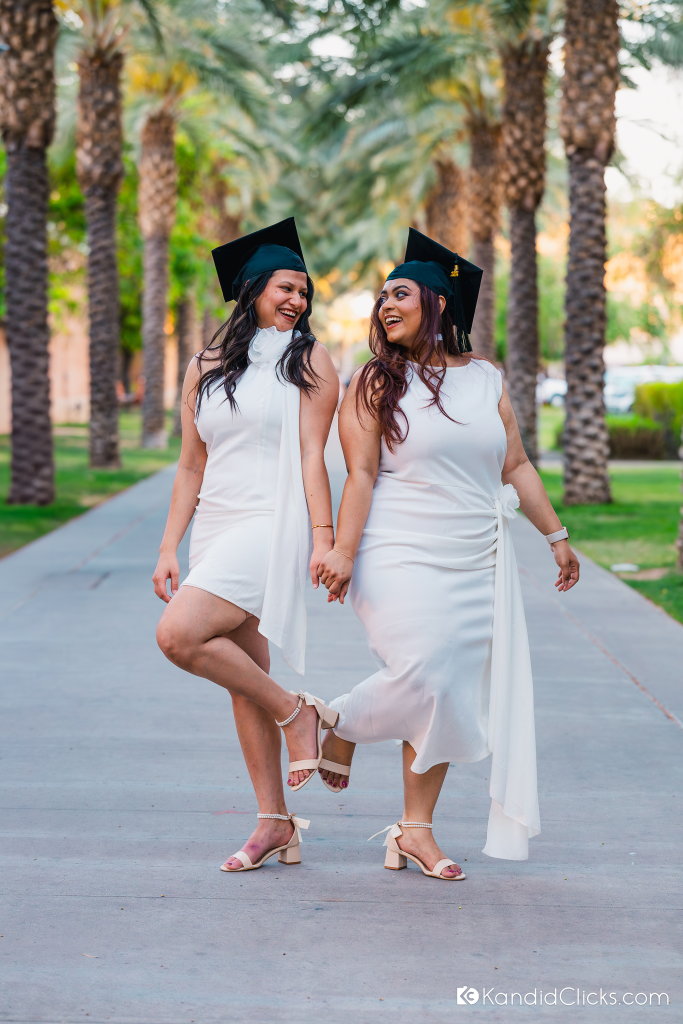
Booking your first session with a graduation photographer you trust can feel like a bigger decision than it needs to be, mostly because so few students know what an actual session involves before they walk in. Kandid Clicks Photography team works with graduating seniors throughout Phoenix, and understanding the general shape of a typical session, from planning through final delivery, helps you walk in feeling prepared rather than uncertain about what comes next.
Graduation photography sessions blend formal tradition with personal expression in a way that few other types of photography attempt, balancing the classic cap and gown portrait every family expects with more creative, individualized images that reflect who you actually are as a person heading into this next chapter of your life beyond high school.
Before Your Session: The Planning Conversation
Most graduation photography sessions start with a planning conversation covering location, wardrobe, and overall vision. This is where you discuss whether you want a primarily traditional session, a more creative and editorial approach, or some blend of both, along with any specific interests, sports, hobbies, achievements, you want incorporated into your gallery.
This planning stage matters more than students often expect, since it directly shapes how the actual session day unfolds. A clear plan going in means less time wasted figuring things out on the spot and more time actually capturing images that reflect genuine thought and intention rather than improvised decisions made under time pressure.
Bringing Your Cap and Gown
Nearly every graduation session includes at least a portion dedicated to traditional cap and gown portraits, whether for a formal family record, a yearbook submission, or simply a classic image marking this specific milestone. Bringing your actual cap and gown, rather than a generic substitute, ensures these images accurately reflect your specific school and graduating class.
If your school provides these items only shortly before the actual ceremony, discuss timing with your photographer, since some students schedule their formal cap and gown portion closer to graduation itself while completing more personalized portraits earlier in the season when scheduling flexibility tends to be greater.
Managing Nerves During Your First Few Poses
Nearly every student feels at least a little self-conscious during the opening minutes of their session, even those who consider themselves generally comfortable in front of a camera. A skilled graduation photographer anticipates this and typically starts with simpler, lower-pressure poses, walking shots, casual glances away from the camera, before moving into more intentional, directed portraits once you have had a chance to settle in and relax.
This gradual warm-up approach matters more than it might seem, since a session that jumps straight into complex, held poses before you feel comfortable tends to produce stiffer, less natural-looking results. Trusting this process, even if the first few minutes feel a bit awkward, generally pays off considerably by the time your photographer moves into the more personalized, creative portion of your session.
How Weather and Season Affect Your Session Plan
Phoenix's climate plays a real role in how a graduation session gets planned, particularly for outdoor locations. Sessions booked during the cooler months from October through April offer the most flexibility for longer, more elaborate outdoor sessions without significant heat concerns, while sessions during the hotter months typically shift toward early morning or evening golden hour to avoid the most intense midday temperatures.
If your session is scheduled during a particularly hot stretch, discuss realistic pacing with your photographer in advance, since managing your energy and comfort throughout an outdoor shoot during peak summer heat requires different planning than a comfortable fall or winter session with more temperature flexibility built into the schedule.
What Your Photographer Needs From You Before the Day
Beyond the general planning conversation, most photographers appreciate receiving a few specific details before your actual session: your school's cap and gown color if not already known, any specific reference images you have gathered, and confirmation of exactly who will be attending if you are including family members in a portion of your gallery. Providing this information a few days ahead, rather than only discussing it the morning of your session, helps your photographer prepare thoroughly and avoid any last-minute scrambling that could eat into your actual shooting time.
This kind of preparation also demonstrates genuine investment in your own session, which many photographers find helps them plan more thoughtfully and specifically for your particular vision rather than defaulting to a generic approach when detailed information is not provided in advance.
Deciding How Many Images You Actually Need
Before your session, it helps to think through roughly how you plan to use your final gallery: a yearbook submission, family prints, social media sharing, a graduation announcement. This general sense of your needs helps you choose an appropriately sized package rather than either underestimating how many final images you actually want or overpaying for a much larger gallery than your realistic usage requires.
Discussing this directly with your photographer during the package selection process, rather than guessing at an appropriate tier, often reveals a package size that genuinely fits your specific plans rather than a generic default that might not match how you actually intend to use your finished gallery in the months following your session.
The Creative, Personalized Portion
Beyond the traditional cap and gown portraits, most sessions include a significant creative portion built around your individual interests and personality. This might involve a sports uniform and equipment for a student athlete, an instrument for a musician, art supplies for a creative student, or simply an outfit and setting that reflects your personal style and how you actually want to be remembered from this specific chapter of your life.
A skilled photographer treats this portion as genuinely collaborative, incorporating your ideas and preferences rather than applying a generic formula identical to every other student they photograph that season. This is where your session becomes distinctly yours rather than interchangeable with anyone else's graduation gallery.
Location and Movement Throughout the Session
Depending on your chosen package, your session might involve a single location or multiple spots within the same booking, moving between a desert backdrop, an urban setting, or a location specifically meaningful to you. Sessions involving multiple locations require a bit more time and logistical planning, so understanding your specific itinerary in advance helps you pace yourself and manage energy throughout what can be a longer overall session.
Comfortable walking shoes for transitions between locations, even if you change into different footwear for the actual photos, help preserve your energy and comfort throughout a session that might last an hour or more depending on how many distinct looks and locations you have planned.
Working With Hair, Makeup, and Wardrobe Changes
If your session includes professional hair and makeup or multiple outfit changes, expect built-in time for these transitions throughout your booking. A well-organized photographer plans this timing carefully, ensuring transitions do not eat excessively into your actual shooting time while still giving you enough space to freshen up and change looks comfortably between different segments of your session.
Bringing a small touch-up kit, blotting papers, lip color, hair products, helps you manage your appearance between transitions without needing to rely entirely on scheduled hair and makeup breaks, particularly for longer outdoor sessions during Phoenix's warmer months.
Considering a Video Component Alongside Photos
An increasing number of students now request a short video component alongside their still photography, capturing brief clips throughout the session that can be edited into a highlight reel for social media or a graduation announcement. If this appeals to you, confirm during booking whether your photographer offers this as a standard inclusion or a separate add-on, since not every photographer captures video as part of their typical senior session workflow.
This kind of video content has become particularly popular for sharing across social platforms that favor short-form video over static images, giving students an additional way to celebrate and share this milestone beyond the traditional printed or digitally shared photo gallery that previous generations relied on exclusively.
What to Do if You Feel Unhappy With a Pose Mid-Session
Occasionally a specific pose or setup simply does not feel right once you actually try it, even if it seemed appealing during the planning conversation. Feeling comfortable enough to speak up in the moment, letting your photographer know a particular pose feels awkward or does not match how you pictured it, allows for real-time adjustment rather than ending up with images you are not genuinely happy with in your final gallery.
A good photographer welcomes this kind of feedback throughout the session, treating it as valuable collaboration rather than an interruption to their planned shot list. Students sometimes hesitate to speak up out of politeness, but voicing genuine discomfort or uncertainty in the moment almost always leads to a better final result than staying quiet and hoping the images turn out well anyway despite your reservations.
Reviewing Your Gallery Once It Arrives
When your final gallery arrives, take some time to review it thoughtfully rather than making quick selections under time pressure, particularly if you are choosing images for a yearbook submission or printed announcement with a specific deadline. Viewing your gallery on a larger screen, rather than exclusively on a phone, often reveals details and quality that a smaller screen can obscure, helping you make more confident selections for whatever specific purpose you have in mind.
If you are unsure about certain selections, asking a trusted friend or family member for their honest opinion can provide useful outside perspective, particularly since you may view your own images more critically than someone seeing them with fresh eyes and genuine appreciation for how well they capture you during this specific chapter of your life.
What Happens After Your Session
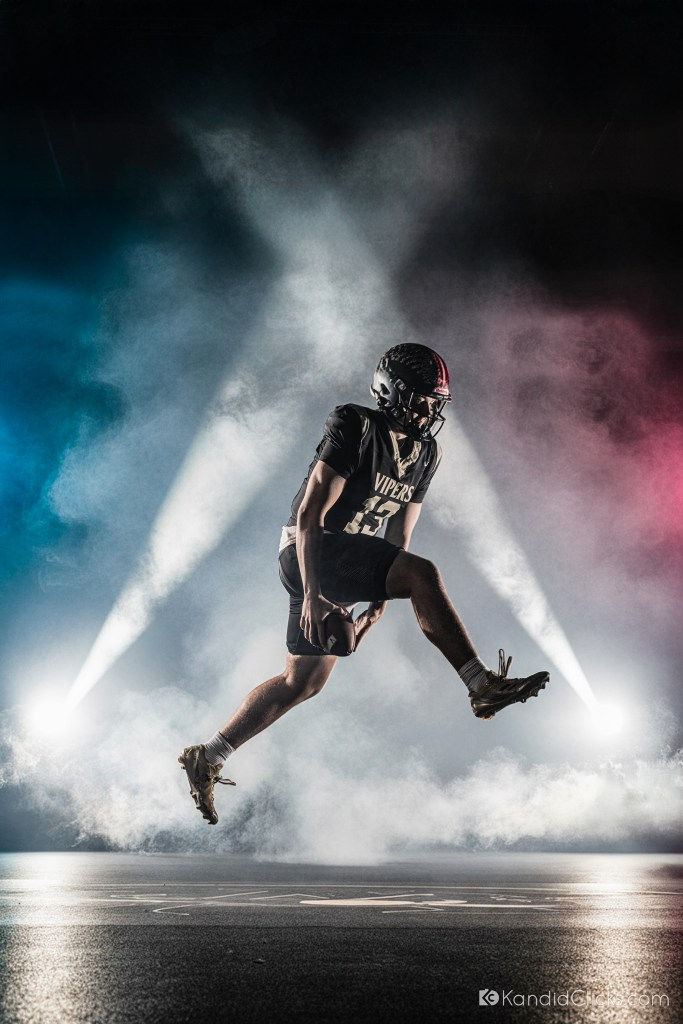
Turnaround time for a graduation gallery typically falls within two to three weeks, delivered through a private online link that makes it simple to select favorites, order prints, and share images with family who may be eager to see your final gallery. If you have a specific yearbook submission deadline, confirming this timeline with your photographer during booking helps ensure your images arrive in time for whatever school requirements you need to meet. Students interested in a more comprehensive understanding of what different graduation photography styles actually look like should also review dramatic sports portrait photography options if their creative portion centers around an athletic identity, since some of the same dramatic lighting techniques can translate well into a senior session.
Frequently Asked Questions
How long does a typical graduation photography session take?
Most sessions run between one and two hours, depending on the number of locations, outfit changes, and whether both traditional and creative portions are included within the same overall booking on that particular day.
Can I request specific poses I have seen and liked from other students' galleries?
Yes, sharing reference images is a normal and helpful part of planning, though a good photographer will still adapt these ideas to fit your specific personality, body type, and the actual location and lighting conditions of your session.
What if I do not have a strong sense of what I want my session to look like?
This is completely normal, and a skilled photographer can guide you through the planning process with specific questions about your interests and personality, helping translate vague ideas into a concrete, personalized session plan that genuinely feels like it belongs to you.
Do I need to bring my own props or equipment for the creative portion?
If you want to incorporate specific items, sports equipment, an instrument, art supplies, bringing these yourself ensures authenticity, though your photographer can also help brainstorm creative concepts that do not require any specific props if you prefer a simpler, more understated approach to your session.
Comments