

Branding Headshots in Phoenix: What Actually Works
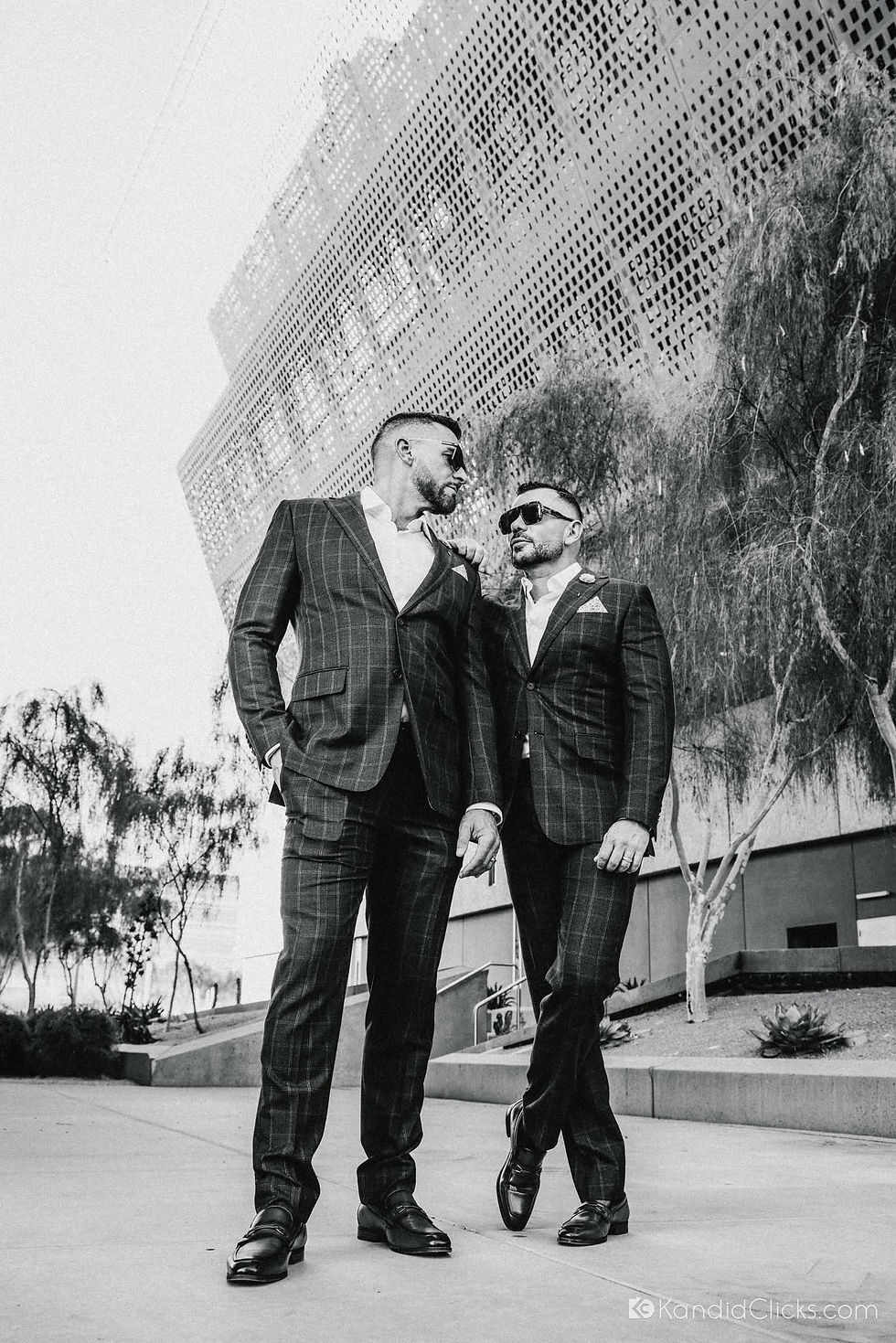
Professionals updating their online presence often start by checking Kandid Clicks Photography's location on Google, usually right after noticing how outdated their current headshot looks next to a newly redesigned website or a fresh set of marketing materials. Branding photography has evolved considerably beyond the stiff, plain-background headshot most people picture, now encompassing a broader range of images meant to represent a person's actual work and personality rather than a single static portrait that rarely reflects who they really are day to day.
Understanding what separates genuinely effective branding photography from a forgettable headshot helps professionals, entrepreneurs, and small business owners get real value from a session rather than ending up with technically fine but ultimately unmemorable images.
The Difference Between a Headshot and Branding Photography
A traditional headshot is a single, tightly framed portrait, useful for a LinkedIn profile or a company directory but limited in what it can actually communicate about a person's work or personality. Branding photography expands well beyond this single format, incorporating environmental shots that show a person actually engaged in their work, lifestyle-style images that reveal personality, and a range of poses and settings that give a business owner genuine flexibility across a website, social media, and marketing materials.
This broader approach matters increasingly as more professionals build a personal brand alongside their business itself. A single headshot cannot fill a website's About page, a social media banner, and a printed brochure equally well, but a branding session that produces a varied set of images across different settings and compositions gives far more usable content for these different applications.
Choosing the Right Setting for Your Industry
The setting for a branding session should reflect the actual nature of the work being represented. A real estate agent might benefit from images captured in a well-appointed home interior or in front of a distinctive property, while a fitness professional might choose a gym setting that shows genuine engagement with their work rather than a generic studio backdrop. Creative professionals, designers, artists, consultants, often benefit from images captured in their actual workspace, since this setting communicates authenticity in a way a neutral studio backdrop cannot replicate. Business owners weighing this investment against other photography needs may find it useful to compare general photography pricing and package options before finalizing a specific setting and session length.
Outdoor settings around Phoenix also work well for certain industries, particularly for professionals whose brand benefits from a warmer, more approachable feel than a purely corporate studio setting provides. Discussing your specific industry and brand personality during the planning conversation helps identify a setting that actually reinforces your professional identity rather than simply looking generically polished.
Wardrobe Choices That Photograph Well
Wardrobe for branding photography should reflect how you actually present yourself professionally, rather than a generic idea of what a headshot outfit is supposed to look like. Solid colors generally photograph more cleanly than busy patterns, and choosing colors that align with your brand's existing color palette, if you have one, helps create visual consistency between your photography and your other marketing materials.
Bringing two or three outfit options, ranging from more formal to slightly more relaxed depending on how your brand balances professionalism and approachability, gives you flexibility to choose the best fit once you see how each option photographs in your chosen setting and lighting conditions. Avoiding trends that might look dated within a year or two also helps extend the usable life of your branding images, since these sessions represent a real investment that ideally serves your business for several years rather than requiring an update every few months.
Capturing Genuine Expression Rather Than a Forced Smile
One of the most common issues with poorly executed branding photography is an expression that reads as forced or uncomfortable rather than genuinely confident and approachable. A skilled photographer spends time during the session building rapport and using natural conversation, rather than simply asking a subject to smile and hold still, which tends to produce a stiff, artificial-looking result that undermines the entire purpose of a branding session.
Some of the strongest branding images come from candid moments captured between more formal, posed shots, a genuine laugh, a moment of focus while actually working, an unguarded expression that feels authentic rather than performed. Building time into the session specifically for this kind of natural interaction, rather than rushing through a fixed list of static poses, tends to produce a noticeably stronger final gallery that people actually want to use across their marketing materials.
Including Action and Environmental Shots
Beyond traditional posed portraits, environmental and action-style shots, a consultant reviewing documents at a desk, a chef working in a kitchen, an entrepreneur mid-conversation with a colleague, add valuable variety and authenticity to a branding gallery. These images work particularly well for website headers, social media content, and any marketing material that benefits from showing genuine engagement with work rather than a static, posed portrait alone.
Planning for a mix of these environmental shots alongside traditional headshot-style portraits during your session gives you a genuinely versatile set of images to draw from across different marketing needs, rather than a single formal portrait repeated identically across every platform and application.
Using Branding Photography Across Your Marketing
A well-planned branding session should produce enough variety to serve multiple marketing needs without requiring a separate photography session for each specific use. Website headers typically need wider, horizontally oriented images with room for text overlay, while social media profile photos work best as tighter, square-oriented crops focused closely on the face and upper body. Planning for this variety during the shoot itself, rather than trying to crop a single image type into every needed format afterward, produces noticeably better results across each specific platform.
Printed materials, business cards, brochures, a printed portfolio, often benefit from a slightly different treatment than digital-only images, sometimes requiring higher resolution files or different color calibration depending on the printing process involved. Discussing your specific printed material plans with your photographer before the session ensures you receive files in the right format and resolution for each intended use, rather than discovering a limitation only after you have already tried to send a file to a printer.
Timing Considerations for Phoenix Outdoor Sessions
For branding sessions that incorporate outdoor settings, the same seasonal considerations that apply to other outdoor photography around the Valley remain relevant. The cooler months from October through April offer more comfortable conditions for an extended outdoor session, particularly if a session involves multiple outfit changes or locations within a single booking. Summer sessions can still work well if scheduled for early morning or evening hours, avoiding the heat of midday while still capturing flattering natural light for professional portraits.
Indoor studio sessions remove this seasonal consideration entirely, which is part of why many professionals choose a controlled studio environment specifically for the consistency and convenience it offers regardless of when the session needs to be scheduled during a busy work calendar.
Working With Your Photographer to Define a Shot List
Before your session, sitting down to think through exactly how you plan to use the resulting images helps a photographer plan an efficient, well-organized shot list rather than shooting broadly and hoping the right combination of images results. If you know you need a wide banner image for your website homepage, a square profile photo for social media, and a few environmental shots for a printed brochure, communicating these specific needs in advance allows your photographer to plan compositions and framing that will actually work for each intended format rather than needing awkward cropping after the fact.
This kind of advance planning also helps make efficient use of session time, since a photographer working from a clear list of needed image types can move through a session methodically rather than shooting a broad, unfocused set of images and hoping something useful emerges from the larger pool. Professionals updating branding for a specific launch or campaign, a new product, a rebrand, an expanded service offering, benefit particularly from this kind of targeted planning, since the resulting images need to support a specific marketing push rather than serving as generic, all-purpose content.
Addressing Common Anxiety About Being Photographed
Many professionals feel genuinely uncomfortable being photographed, even those who are otherwise confident in their professional role. This discomfort often stems from unfamiliarity with the process rather than anything specific about how a person actually looks, and a skilled photographer knows how to work through this over the course of a session rather than expecting confidence and ease from the very first frame.
Building in time at the start of a session for simple conversation, before any serious shooting begins, helps most subjects relax considerably compared to being asked to pose confidently within the first few minutes of arriving. Reviewing a few preview images partway through the session, when comfortable doing so, can also help nervous subjects see that the results look far better than their own self-conscious expectations, which often eases remaining tension for the rest of the shoot.
Planning for Team and Company-Wide Sessions
Businesses updating headshots for an entire team face additional planning considerations beyond an individual session. Consistency across team members, similar background, similar lighting, a coordinated approach to wardrobe guidance, matters considerably for a cohesive company website or team page. Scheduling enough time per person to achieve genuine, natural expressions across an entire team, rather than rushing through a large group quickly, produces a more polished and professional final result that reflects well on the company as a whole rather than looking rushed or inconsistent from one profile to the next. Companies planning a larger internal celebration around the same time may find it efficient to coordinate team headshots alongside broader event photography coverage for the occasion, using the same photographer and setup for both needs in a single visit.
What to Expect After Your Session
Turnaround time for branding photography typically falls within one to two weeks, given the more straightforward editing process compared to some other photography genres. Most photographers deliver a full gallery through a private online link, allowing you to select and download specific images for different uses, a website header, a social media profile, a printed business card, without needing to request each format separately from the original set of files.
Frequently Asked Questions
How often should we update our branding photography?
Most professionals benefit from updating branding images every two to three years, or sooner if a significant change occurs, a new role, a notable change in appearance, or a shift in overall brand direction that the existing images no longer reflect accurately or convincingly to potential clients browsing your site.
Should we do a solo session or coordinate as a full team?
This depends on your specific needs. Solo sessions offer more individual flexibility and attention, while team sessions ensure visual consistency across an entire company's headshots, which matters most for businesses with a shared team page or consistent brand presentation across multiple staff members.
Can branding photography include images of our physical business location?
Yes, many branding sessions incorporate the actual business location, an office, a studio, a storefront, alongside personal portraits, giving a more complete visual representation of both the person and the business itself for use across a website or marketing materials aimed at building trust with potential clients.
What should we wear if we do not have an established brand color palette yet?
Solid, neutral colors that complement your natural skin tone are a safe default choice if you do not yet have an established brand palette. Avoiding busy patterns and overly trendy pieces helps ensure the images remain useful and current for as long as possible, even as your specific brand identity continues to develop over time.
Comments